Environmental Impact of Nuclear Energy
5 minute readNuclear energy offers low emissions and reliable power, but it also raises concerns about waste, water use, and safety.

10 minute read • Last update May 2026
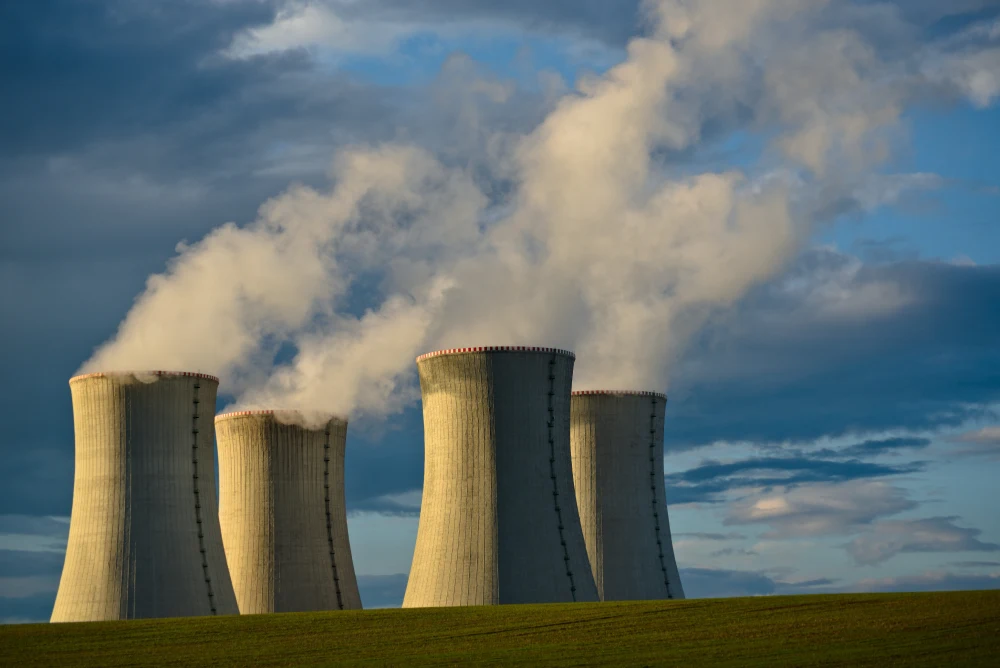
Yes, nuclear energy and nuclear power plants are a safe way to generate electricity around the globe. There have only been two major disasters in the history of nuclear power, resulting in far fewer deaths than those from fossil fuel power plants.
| Energy Source | Death Rate |
|---|---|
| Coal | 24.6 deaths per TWh |
| Oil | 18.4 deaths per TWh |
| Nuclear | 0.03 deaths per TWh |
| Solar | 0.02 deaths per TWh |
For over 70 years, humanity has relied upon nuclear reactors to generate power.
There has been much debate about how many deaths can be attributed directly to nuclear disasters or radiation exposure resulting from a nuclear disaster.
The confirmed death toll from the Chernobyl explosion is less than 100, but some estimates range up to at least 500.
The disaster at Fukushima did not directly cause any deaths, but several dozen people were injured. At least one worked died from cancer many years after the incident.
There were no deaths or injuries as a result of the Three Mile Island incident.
Chernobyl, Fukushima, and Three Mile Island the only major incidents in the history of nuclear energy.
Let’s dig into each nuclear disaster, the damage they caused, and the resulting impact on nuclear energy around the globe.
On March 28, 1979, the Three Mile Island Nuclear Generating Station experienced a partial nuclear meltdown which led to the release of radioactive gases into the local environment.
This is the worst nuclear accident in U.S. history. There were no detectable impacts to the health of plant workers or the public in the area.
The incident at Three Mile Island led to a measurable decline in the U.S. nuclear power industry, heightened concern about nuclear safety, and new regulations.
On April 26, 1986, reactor 4 at the Chernobyl Nuclear Power Plant in the Soviet Union exploded. The incidence led to the deaths of dozens of people, and thousands of folks in the nearby region had health complications.
It is by the far the deadliest and costliest nuclear disaster in history.
The incident at Chernobyl, while devastating, was in the earlier days of nuclear energy. The Soviet Union developed the RBMK reactor, which had several shortcomings that allowed the disaster to occur.
Following the explosions, fallout, and remediation, major modifications were made to the other RBMK reactors. All RBMK reactors in operation today are in Russia.
Since then, we’ve developed much safer ways to generate energy utilizing nuclear reactions.
On March 11, 2011, an earthquake (at the time, the strongest ever recored) and a tsunami led to a nuclear disaster at the Fukushima Daiichi Nuclear Power Plant in Okuma, Japan. The subsequent natural disasters caused an electrical grid failure and destroyed the backup energy supply sources.
Because the reactors were not receiving power, cooling systems could not function. This led to a containment failure and subsequent release of radioactive materials in the surrounding area.
No one died as a result of this incident and the United Nations Scientific Committee on the Effects of Atomic Radiation maintain that there are no adverse health effects among residents of Fukushima.
As a result of this accident, the International Atomic Energy Agency revised its global safety standards to prevent further similar occurrences.
A study from 2023 found that there are over 8 million deaths per year globally resulting from fossil fuel energy air pollution.
It’s estimated that there are 91,000 premature deaths per year in the United States attributed to the harmful air pollutants from fossil fuels.
Although, deaths related to fossil fuels in the U.S. are declining as more coal power plants are shut down entirely or scrubbers are installed.
Fossil fuels have much higher global mortality rates than nuclear power because of the dangers involved in extracting the fuels from the ground, transporting the fuels, and the air pollution from burning the fuels.
Nuclear power is considered safer than fossil fuels because reactors do not contribute to air pollution or emit greenhouse gases while they operate.
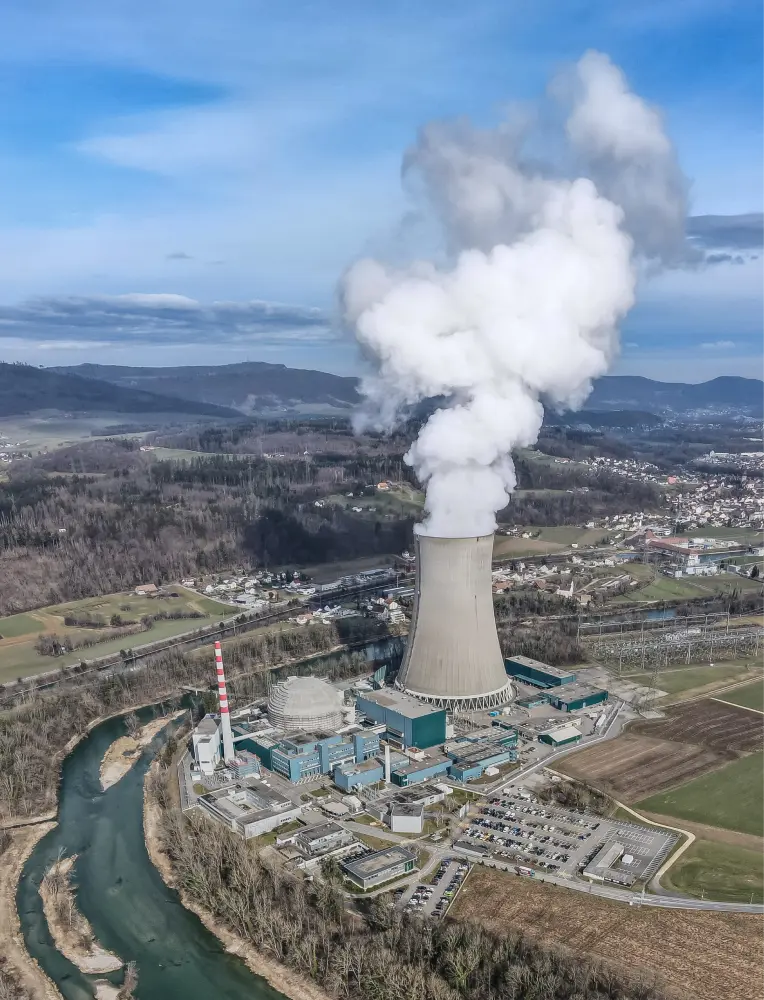
Nuclear waste is radioactive and can be harmful to human health for thousands of years if not properly managed.
In the United States, the Nuclear Regulatory Commission and Department of Energy ensure that all radioactive waste and decommissioned reactors are handled in such a way that the spent or hazardous materials cannot cause harm.
Nuclear waste, or spent nuclear fuel, is primarily stored in robust, multilayered containers that are designed to shield the outside world from radiation and to cool the temperatures of the materials.
Currently, most spent nuclear fuel is stored on-site at the nuclear reactor.
The United States has one deep underground geologic repository for nuclear waste in New Mexico called the Waste Isolation Pilot Plant. This storage facility is specifically for waste from nuclear defense projects.
There is a site at Yucca Mountain in Nevada that was in progress to store spent nuclear fuel but development has been halted due to political and financial difficulties.
Since Chernobyl and Fukushima, there have been considerable safety concerns surrounding nuclear energy. Fortunately, there are numerous industry and regulatory bodies that oversee the nuclear energy industry and establish guidelines for producing nuclear power in a responsible manner. These organizations include the International Atomic Energy Agency, U.S. Nuclear Regulatory Commission, U.S. Department of Energy, and Nuclear Non-Proliferation Treaty.
The International Atomic Energy Agency (IAEA) is an international organization that promotes the safe and peaceful use of nuclear energy. It assists member states in implementing effective safeguards, provides technical cooperation and support, and establishes standards and guidelines for nuclear safety, security, and non-proliferation. The IAEA plays a crucial role in facilitating international collaboration and ensuring the responsible use of nuclear energy.

The Nuclear Regulatory Commission is an independent agency created by U.S. Congress in 1974 to ensure safety in the use radioactive materials and regulate commercial nuclear power plants. They oversee reactor safety and security, licensing and renewals, and disposal of radioactive materials.
The U.S. Department of Energy maintains an Office of Nuclear Energy that works to advance nuclear energy science. They work to balance the need for energy production, environmental protection, and economic growth.
The Nuclear Non-Proliferation Treaty (NPT) is an international treaty aimed at preventing the spread of nuclear weapons and promoting disarmament. It establishes a framework for cooperation in the peaceful use of nuclear energy while emphasizing non-proliferation efforts. The treaty has been instrumental in curbing the proliferation of nuclear weapons and encouraging international cooperation in the development and use of nuclear energy.
Each country has its own regulatory bodies and policies governing the use of nuclear energy. These bodies ensure the safe operation, oversight, and licensing of nuclear facilities, as well as the adherence to international standards and guidelines. National regulations address aspects such as safety measures, waste management, environmental protection, and public engagement. Robust regulatory frameworks are essential for maintaining the safe and responsible use of nuclear energy at the national level.
Nuclear energy may be slightly controversial, but there are advantages to consider along with some of the disadvantages.
let’s dive deeper into some of the pros of nuclear energy:
Nuclear energy is considered a low-carbon energy source as it produces minimal greenhouse gas emissions during electricity generation. Unlike fossil fuel-based power plants, nuclear reactors don’t emit large amounts of carbon dioxide, methane, or other greenhouse gasses that contribute to climate change.
Nuclear power plants have the ability to generate a significant amount of electricity from a relatively small amount of fuel. The energy density of nuclear fuel is exceptionally high, resulting in a higher energy output compared to other conventional energy sources.
Nuclear power plants do not pollute the air as they operate because they are not burning any fuel that release harmful pollutants into the atmosphere.
Nuclear power provides a reliable and consistent source of electricity, making it well-suited for meeting the base load demand—the constant minimum level of electricity required to meet everyday needs. Nuclear reactors can operate continuously for extended periods without interruption, ensuring a stable electricity supply.
Now, let’s take a closer look at the cons of nuclear power:
One of the main challenges associated with nuclear energy is the proper management and disposal of radioactive waste generated during the nuclear fuel cycle. Radioactive waste requires careful handling and long-term storage to prevent potential harm to human health and the environment. Developing safe and secure waste storage solutions remains an ongoing concern.
Building and operating nuclear power plants involve substantial upfront costs. The construction of nuclear reactors requires significant capital investment and specialized expertise. Maintaining the safety and security of nuclear facilities throughout their operational lifetime also adds to the overall cost of nuclear energy.
While nuclear power is generally considered safe, accidents such as the Chernobyl and Fukushima disasters have raised concerns about the potential risks associated with nuclear energy. The potential for radioactive leaks, reactor malfunctions, and the handling of nuclear materials pose risks to both human health and the environment. Ensuring stringent safety measures and protocols is crucial to mitigating these risks.
Nuclear energy is a controversial topic, with proponents and opponents on both sides of the issue. Proponents of nuclear energy argue that it is a clean, safe, and reliable source of energy that can help to reduce our reliance on fossil fuels. Opponents of nuclear energy argue that it is a dangerous and expensive source of energy that poses a risk to human health and the environment.
The debate over nuclear energy is likely to continue for many years to come. However, it is clear that nuclear energy has the potential to play a significant role in our energy future. If we can address the safety and cost concerns, nuclear energy could be a key part of our efforts to reduce greenhouse gas emissions and combat climate change.