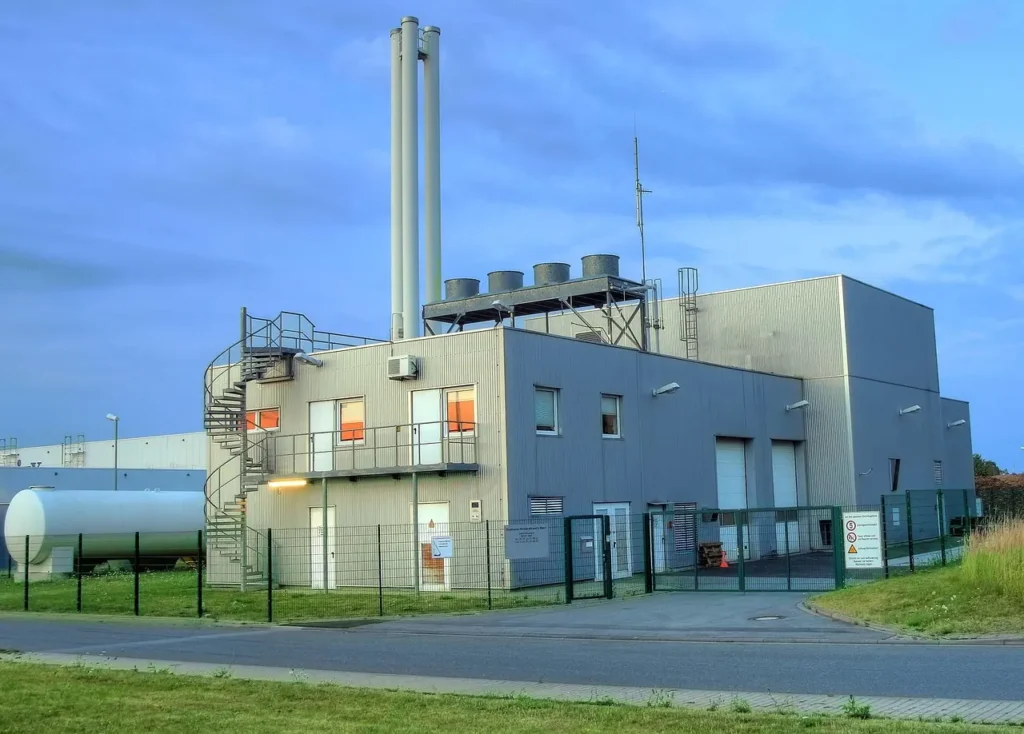


Biomass is a renewable energy source from plants, animals, and other organic matter that can be naturally renewed or refreshed on a human timescale.
For example, biomass materials such as crops and trees can be repeatedly replanted and grown again. When grown and harvested responsibly, biomass energy can be both renewable and sustainable.
Biomass energy can be carbon neutral, but this depends on the processes used to harness the energy source.
If resources are not managed properly, such as through overharvesting or deforestation, and trees or crops are not replanted, then that particular system would be not be sustainable. Responsible land use practices are necessary to ensure that biomass energy does negate itself.
Yes, biomass energy releases carbon dioxide (CO₂) when organic materials like wood, crops, or waste are burned or decomposed to produce energy.
However, the carbon released is part of the natural carbon cycle because the plants absorbed CO₂ while they were growing. Burning biomass fuels can release other greenhouse gases such as:
Methane (CH₄)
Nitrous Oxide (N₂O):
It’s certainly possible for biomass energy to be carbon-neutral or have a lower carbon footprint compared to fossil fuels if managed properly.
Some greenhouse gas management strategies include:
Sustainable harvesting practices ensure that biomass is replaced with new growth to absorb the CO₂ released during combustion. It’s important to prevent deforestation by replanting trees or using agricultural waste instead of dedicated crops.
Efficient combustion technology such as gasification or pyrolysis can be used to optimize energy output and minimize emissions.
There are also pollution control devices that can be deployed to reduce particulates and other greenhouse gases when burning biomass fuels.
Capturing CO₂ emissions from biomass power plants and storing it underground or using it in industrial processes can make biomass energy “carbon-negative.”
Lifecycle assessments should be conducted to ensure that biomass supply chain emissions from production, transportation, and processing are minimized to their fullest extent.