
15 PTO and PTA Fundraising Ideas that Actually Raise Money
5 minute readEvery Parent-Teacher group starts the year with big plans to throw exciting events, install new playground equipment, fund field trips,

If your house is flooding, act fast but stay safe.
4 minute read • Last update November 2025
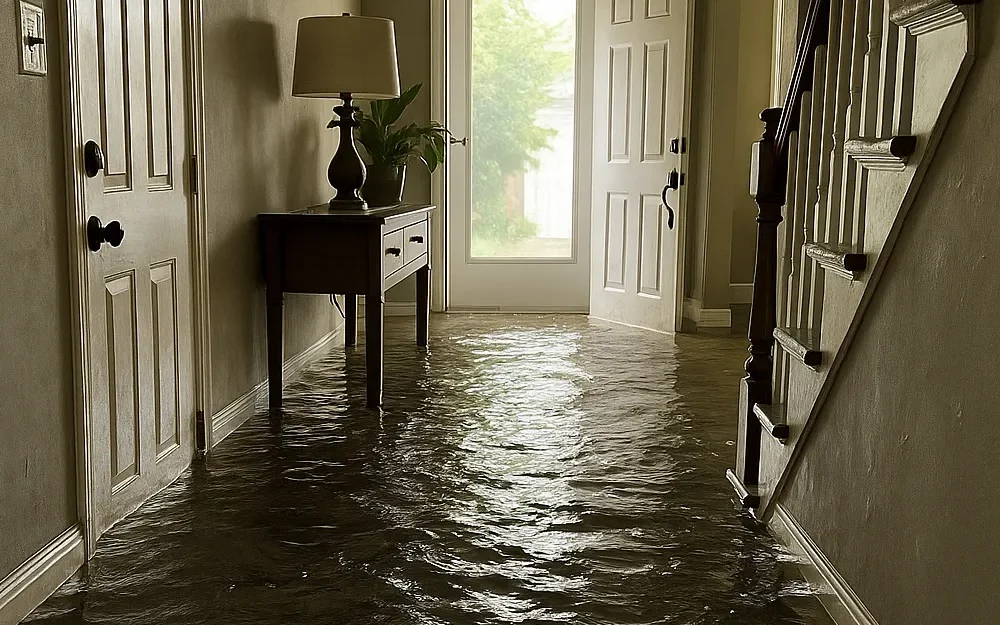
If you are in your home during a dangerous flash flood from heavy rains or storms, these are the immediate steps to take:
If your home is flooding due to a plumbing issue and lives are not immediately at risk, follow these steps:
Once you’ve taken the immediate steps to protect people and safeguard essential items, shift your focus to stabilizing the situation. Flood conditions can deteriorate quickly, and the environment inside your home becomes increasingly hazardous as water rises. Before you move any further, it’s critical to understand the key safety precautions that reduce risk and prevent additional harm.
Floodwater carries hidden risks. Keep children and pets far from it, even if it looks shallow. Wear protective gear such as rubber boots and gloves when entering areas that may be contaminated. According to the CDC, floodwater often contains sewage, sharp objects, or submerged electrical hazards.
If you need light, use flashlights instead of candles to avoid the danger of fire or gas ignition. Basements and enclosed areas should be avoided entirely, since water can rise quickly and cut off escape routes. With your immediate safety secured, you can then consider how to protect your property and belongings.
If you have time and it is safe, prioritize items that are difficult or impossible to replace. Focus on securing critical documents and essentials before water levels rise.
High-priority items include:
• Government IDs and passports
• Insurance policies and financial records
• Medication and medical devices
• Laptops, hard drives, and essential electronics
• Family heirlooms or irreplaceable valuables
• Pets and their necessary supplies
• A small “go bag” with clothes, chargers, and basic necessities
As you take these steps, also document the situation. Photos and videos of your home and belongings will be essential for insurance claims. Once you have gathered what you can, the next step is contacting the right people who can help.
Communication is critical during and after a flood. For immediate threats, call 911. If your power or gas lines are impacted, notify your utility providers. After the immediate danger has passed, contact your flood insurance company to start the claims process.
Professional help is also necessary. Certified water damage restoration services can begin safe cleanup and reduce long-term damage. After those calls are made, your attention will shift to the cleanup process itself.
Cleanup must be handled carefully to avoid health risks and structural damage. Standing water should be removed gradually using pumps or wet vacuums. Removing water too quickly can stress weakened walls and foundations. Once water levels are under control, use fans, dehumidifiers, and open windows to speed the drying process.
For significant water damage, it’s often best to bring in a professional water damage restoration company. In Texas, reputable providers include SERVPRO of Texas, Belfor Property Restoration, and Blackmon Mooring & BMS CAT. These companies have the specialized equipment, including industrial pumps, air movers, and moisture meters. These are needed to dry your home safely and prevent further structural issues. They can also assess hidden moisture behind walls and floors and document damages for insurance claims.
Floodwater often contains bacteria, so all affected surfaces must be thoroughly disinfected. Keep a close eye on your home in the days that follow, as mold can develop quickly in damp conditions. Porous materials such as carpet, insulation, and drywall may need to be removed if they show any signs of contamination. Many of the same restoration companies offer mold remediation and sanitation services, ensuring your home is cleaned to industry health standards.
Preparation is the best defense against future flooding. Signing up for local weather alerts helps you stay informed before storms and flash floods arrive. Keeping an emergency kit with food, water, medications, and first aid supplies ensures you are ready if you must evacuate.
Protect your important records by storing them in waterproof containers or creating digital backups. Families should also plan and practice evacuation routes so everyone knows what to do in an emergency. With these measures in place, you can face the future with greater peace of mind.
Floods in Texas are unpredictable, but having a plan and knowing the right steps can protect your family and your property. Staying calm during an emergency, safeguarding your home, and preparing in advance are the most effective strategies for handling flood events.
At BKV Energy, we are committed to supporting Texas homeowners with reliable information and resources that help you prepare for life’s unexpected challenges. From flooding and severe weather to energy savings and home maintenance, our Learning Center and Blog are packed with expert guides designed to help you stay safe, lower costs, and protect your home.