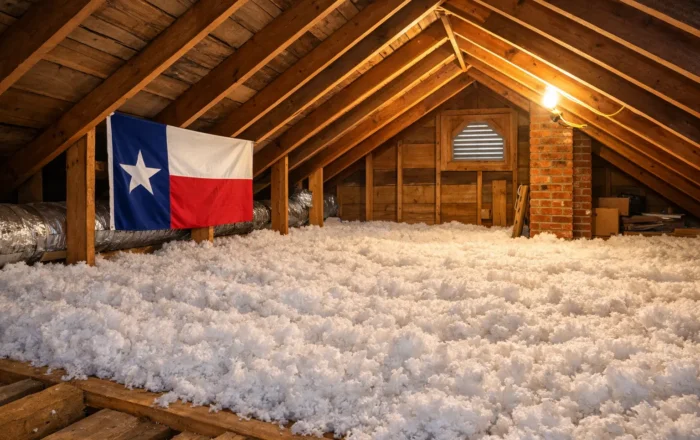
How to Insulate Your Attic
5 minute readHow to insulate an attic, what it costs, and how it reduces your electric bill

2 minute read • Last update July 2025
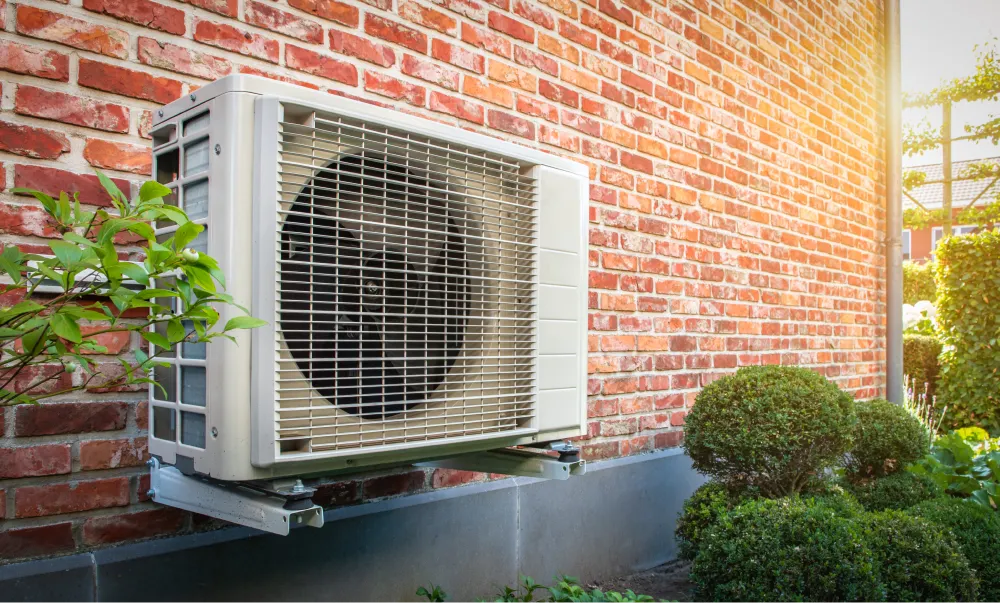
SEER and SEER2 are both measurements of the efficiency of an HVAC (heating and cooling) system. SEER2 is an updated, more accurate methodology that was introduced as the new standard in 2023.
The SEER2 measurement system better reflects real-world conditions and as a result the SEER2 rating of an HVAC system such as an air conditioner or heat pump will be lower than its SEER rating.
SEER stands for Seasonal Energy Efficiency Ratio. It measures the energy efficiency of an HVAC system’s cooling abilities by dividing the cooling output of the air conditioner over a typical cooling season by the energy used in watt hours. The higher the SEER rating, the more efficient the cooling system.
SEER2 is the new standard of HVAC energy efficiency measurement. It is more accurate than SEER because it resembles more realistic operating conditions of a system during the measurement process.
By adjusting the external static pressure during the test from 0.5 inches of external water column pressure down to 0.1 inches, the rating is more accurate. This also means that SEER2 ratings will be lower than SEER ratings for the same system.
The switch from SEER to SEER2 implemented by the U.S. Department of Energy in 2023 has forever changed the way HVAC systems are manufactured, sold, and installed across the country.
As of January 1, 2023, there are new required minimums for SEER and SEER2 ratings. If a system does not meet those requirements, it cannot be installed on a home. As a result, this means that the systems that are being manufactured must meet certain requirements and older uninstalled systems that do not meet those requirements are rendered obsolete.
Here are the new minimum requirements by region:
| Southeast Region | SEER | SEER2 |
|---|---|---|
| Air Conditioning System | 15.0 | 14.3 |
| Heat Pump | 15.0 | 14.3 |
| Southwest Region | SEER | SEER2 |
|---|---|---|
| Air Conditioning System | 15.0 | 14.3 |
| Heat Pump | 15.0 | 14.3 |
| North Region | SEER | SEER2 |
|---|---|---|
| Air Conditioning System | 14.0 | 13.4 |
| Heat Pump | 15.0 | 14.3 |