Pros and Cons of Tidal Energy
5 minute readTidal energy is an emerging form of renewable power that harnesses the kinetic and potential energy of ocean tides to

Tidal energy harnesses the power of ocean tides to produce clean electricity, offering a renewable source with predictable output.
4 minute read • Last update July 2025
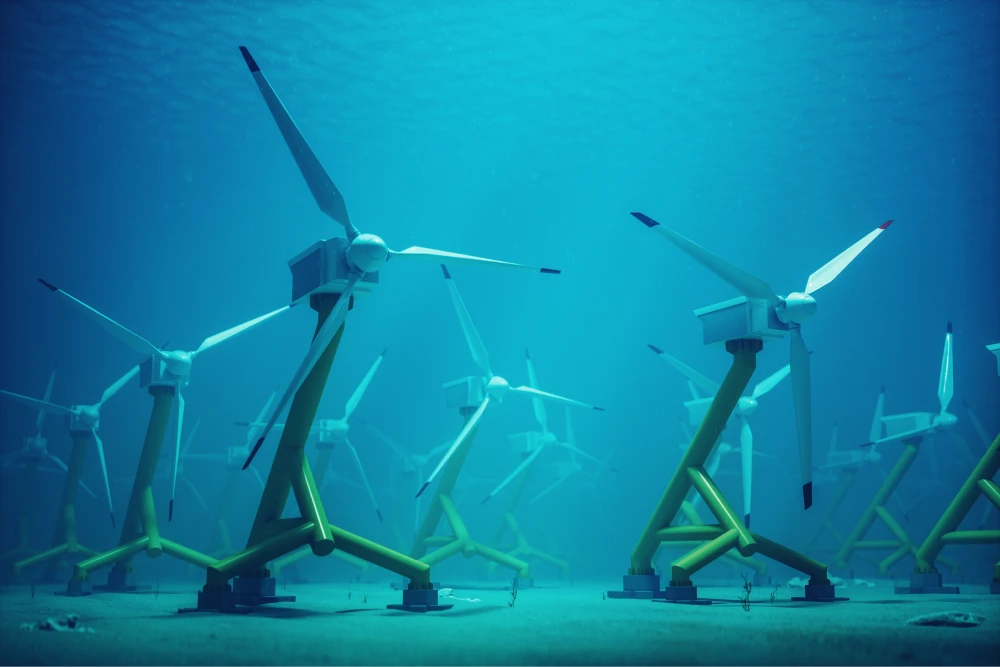
Tidal energy is a renewable energy source because it harnesses the movement of the ocean’s tides, resulting from the gravitational pull of the moon and the sun. These natural forces cause the ocean tides to rise and fall in a consistent rhythm, offering an energy source that is inexhaustible over human timescales.
Unlike fossil fuels, tidal power does not consume or deplete any finite resource. As long as the Earth has oceans and the moon continues to orbit, tidal cycles will remain predictable. This makes tidal energy a truly sustainable solution.
These forces will never stop pushing and pulling the tides until either the sun explodes and destroys our solar system, or the moon drifts so far away from the Earth that its mass no longer exerts a gravitational force on our planet. Luckily, these events are either extremely unlikely or would take many billions of years to occur.
One of tidal energy’s biggest strengths is its reliability. Tidal cycles are governed by celestial mechanics, which means they are highly predictable months and even years in advance. This allows for stable, forecastable energy output, unlike the variability of solar and wind, which are influenced by weather.
However, tidal energy does come with some limitations. It is geographically constrained. Only coastal areas with a sufficiently high tidal range or strong tidal currents are viable for large-scale development. This restricts the number of suitable deployment sites compared to more flexible renewables like solar panels or wind turbines.
Tidal energy is just one piece of the broader clean energy mix. Other prominent renewable sources include:
Each of these technologies plays a unique role in reducing emissions and diversifying the global energy portfolio.
The United States has taken early steps in tidal power development, with several pilot projects underway:
In Texas, while tidal potential is limited due to relatively low tidal ranges, foundational work is underway:
Texas’s extensive offshore oil and gas infrastructure, combined with its skilled engineering workforce, positions the state to potentially lead in hybrid marine energy innovation.
While the state’s low tidal range limits traditional tidal applications, the existing supply chain, fabrication yards, and offshore permitting frameworks established for oil and gas or wind development can be repurposed for marine renewables. As floating, multi-source platforms integrating tidal, wave, solar, and wind energy progress from concept to reality, Texas could emerge as a strategic hub for testing, assembly, and deployment.
Tidal energy has both environmental advantages and trade-offs:
According to the EPA, any energy infrastructure placed in the marine environment must be carefully assessed to minimize ecological impacts. Mitigation strategies, such as fish-friendly turbine designs or siting projects away from sensitive habitats, are essential to balancing environmental and energy goals.
The future of tidal energy in the U.S. appears promising but requires continued support:
In Texas, while commercial tidal power remains in the research phase, the state’s offshore capabilities, engineering talent, and growing university-led innovation could make it a player in hybrid marine renewable systems. Floating platforms that integrate wave, tide, solar, and wind offer a compelling vision for offshore power generation suited to Texas’s unique coastal conditions.